<p>
</p>
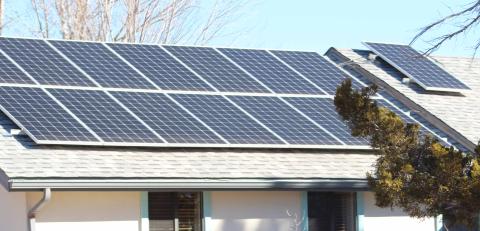
As the world searches for cleaner and more sustainable energy sources, solar panels have emerged as one of the most promising solutions. By converting sunlight into electricity, solar panels provide a renewable, environmentally friendly alternative to fossil fuels and help reduce greenhouse gas emissions.
What Are Solar Panels?
Solar panels are devices made up of photovoltaic (PV) cells that capture sunlight and convert it into electrical energy. These cells are typically made from silicon, a semiconductor material that generates an electric current when exposed to sunlight. Multiple PV cells are connected together to form a panel, and several panels can be combined to create a solar power system.
How Do Solar Panels Work?
When sunlight strikes the surface of a solar panel, it excites electrons within the PV cells. This movement of electrons creates direct current (DC) electricity. An inverter then converts this DC electricity into alternating current (AC), which is the type of electricity used to power homes, businesses, and appliances.
Benefits of Solar Panels
One of the greatest advantages of solar panels is that they use a renewable energy source—the sun—which is abundant and free. Solar energy reduces dependence on fossil fuels, lowers electricity bills, and decreases carbon emissions. Additionally, solar panels require minimal maintenance and can last 25 years or more, making them a long-term investment.
Types of Solar Panels
There are three main types of solar panels:
Monocrystalline panels, known for high efficiency and sleek design
Polycrystalline panels, which are more affordable but slightly less efficient
Thin-film panels, which are lightweight and flexible but typically have lower efficiency
Each type serves different needs depending on budget, space, and energy requirements.
Challenges and Limitations
Despite their advantages, solar panels have some limitations. Their efficiency depends on sunlight availability, meaning energy production can be lower on cloudy days or at night. The initial installation cost can also be high, although prices have dropped significantly in recent years and government incentives often help offset expenses.
The Future of Solar Energy
Advancements in technology continue to improve solar panel efficiency and affordability. Innovations such as solar batteries, smart grids, and building-integrated photovoltaics are making solar energy
batterymore accessible than ever. As awareness of climate change grows, solar panels are expected to play a major role in the global transition to clean energy.
Conclusion
Solar panels represent a powerful step toward a sustainable future. By harnessing the sun’s energy, they offer a clean, reliable, and increasingly affordable way to meet the world’s growing energy demands. As technology evolves, solar power will continue to shine as a key solution for protecting our planet.


 Locked