Japan’s agricultural sector is undergoing a digital renaissance, driven by advanced agritech machinery and smart farming solutions. Facing an aging workforce and shrinking farmland, Japan is turning to robotics, AI, and automation to ensure food security, improve yields, and create a more efficient, sustainable agricultural model.
Leading companies like Kubota, Yanmar, and Spread are at the forefront, producing AI-powered tractors, automated drones, and robotic harvesters that can plant, monitor, and harvest with minimal human intervention. These machines are often integrated with IoT sensors and satellite imaging, enabling precision farming based on soil data, weather conditions, and crop health.
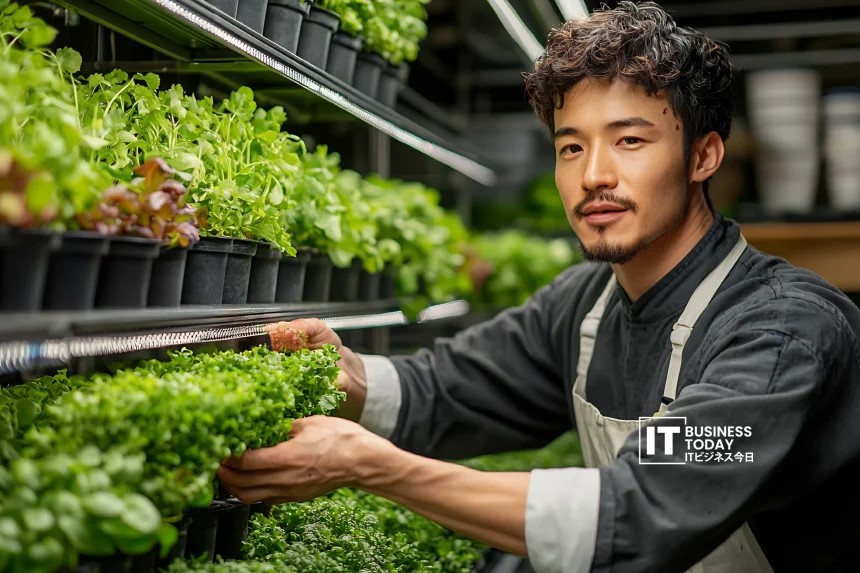
Urban vertical farms and hydroponic systems are also gaining ground, reducing land usage while increasing productivity. From rice paddies in rural Japan to indoor lettuce farms in Tokyo, smart agriculture is reshaping Japan’s food ecosystem.
Supported by government innovation grants and partnerships with universities, Japan’s agritech landscape is becoming a blueprint for countries seeking to modernize farming while addressing climate and labor challenges.
To explore more about how tech is redefining farming and food production,
👉 visit IT Business Today — your go-to source for global tech and innovation stories.


 Locked