Mental Health App Development


 Locked

 
|
🧠 Mental Health App Development: Building Digital Tools for Emotional Wellbeing In an increasingly digital world, mental health support is becoming more accessible than ever before. With stress, anxiety, and burnout affecting millions globally, mental health apps have emerged as vital tools in supporting emotional wellness. From mood tracking to guided therapy, these apps are changing the way people seek help. But what goes into developing a successful mental health app? In this blog, we’ll explore the key components, challenges, and strategies involved in mental health app development 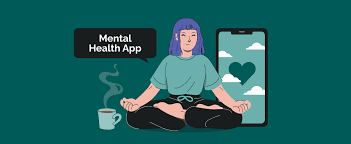 — and how developers can build platforms that are both effective and ethical. — and how developers can build platforms that are both effective and ethical.
📲 Why Mental Health Apps Matter The demand for mental health apps is booming. According to the World Health Organization, one in four people will be affected by a mental health disorder at some point in their lives. Yet, barriers like stigma, cost, and accessibility often prevent individuals from seeking professional help. Mental health apps can help by: Providing 24/7 support Offering anonymity and privacy Making therapy more affordable Encouraging daily self-care habits Whether it's meditation, CBT-based tools, AI-driven chatbots, or professional therapy portals — digital mental health tools are democratizing access to care. 🛠️ Key Features of a Mental Health App To be effective and user-friendly, mental health apps need a combination of clinical integrity and tech usability. Here are some essential features: 1. Mood and Emotion Tracking Let users log daily feelings and behaviors to spot patterns over time. 2. Self-help Resources Incorporate audio guides, video lessons, and evidence-based exercises like mindfulness or journaling prompts. 3. Therapist Matching & Communication Enable users to connect with licensed professionals through secure messaging or video sessions. 4. AI Chatbots & Crisis Support Integrate smart chatbots for conversational support and link to emergency resources for urgent situations. 5. Push Notifications & Reminders Help users stay consistent with medication, meditation, or journaling with gentle nudges. 6. Progress Analytics Visualize improvement in mood, sleep, or anxiety levels through easy-to-understand graphs and insights. 🔐 Privacy & Compliance: A Top Priority Mental health data is incredibly sensitive. App developers must adhere to strict legal and ethical standards, including: HIPAA (in the U.S.) GDPR (in Europe) End-to-end encryption Anonymized user data Transparency with users about data use and protection builds trust and long-term engagement. ⚙️ Technology Stack and Tools The development stack will depend on your app’s scope and platform, but here’s a common setup: Frontend: React Native or Flutter for cross-platform development Backend: Node.js, Python, or Ruby on Rails Database: PostgreSQL, Firebase, MongoDB AI/ML: Natural Language Processing for chatbot or mood prediction APIs: Twilio (video/audio calls), Stripe (payments), Apple HealthKit or Google Fit integration 👥 Collaborating with Mental Health Professionals Building a clinically sound app means involving psychologists, therapists, or licensed counselors from the very beginning. This ensures: Scientifically backed content Ethical design principles Effective interventions Mental health apps that skip this step risk spreading misinformation or offering unsafe advice. 🚧 Challenges in Mental Health App Development Despite their promise, mental health apps come with unique challenges: Retention: Keeping users engaged without becoming overwhelming Stigma: Encouraging adoption without judgment Accessibility: Making the app usable for all age groups, literacy levels, and disabilities Validation: Proving that your app works through clinical studies or user testimonials 🌱 Future Trends in Mental Health Tech Here are a few innovations shaping the future of mental wellness apps: Personalized AI Therapy Wearable Integration for Real-Time Stress Tracking VR/AR Meditation & Exposure Therapy Voice Emotion Analysis Community Support Networks 💡 Final Thoughts Mental health app development is more than just building software — it's about creating compassionate digital spaces that can change lives. By combining user-centric design, clinical insights, and cutting-edge tech, developers have the opportunity to make meaningful impact at scale. Whether you're a startup, a healthcare provider, or a developer looking to enter this space, remember: the best mental health apps aren’t just functional — they’re empathetic. Want help planning your mental health app MVP or finding the right tech stack? Feel free to reach out — let's build wellness together. Would you like this blog formatted for Medium, LinkedIn, or a company website? Or would you like an SEO-optimized version with keywords and meta descriptions? |

Re: Mental Health App Development
|
|
I won't spend any time rehashing the British North Greenland Expedition link as Mark Kauzlarich covered it nicely with his initial introducing for the Ranger and my pal Jason link Heaton wrote a lovely background on the only known surviving link watch from the expedition here. This is the watch that inspired the new 2022 Ranger at least spiritually.
|
Re: Mental Health App Development
|
|
In reply to this post by rishisoni
On one hand, you have the sloping dial, and the aggressive markers with the sunray finish. But then you have link old-school typography for the numerals on the tachymeter scale. And in the case of the reverse panda, you link get touches of faux-patina and the callback to the Dato link via the 12 o'clock date window.
|
«
Return to Forum
|
1 view|%1 views
| Free forum by Nabble | Edit this page |