Ensuring Worker Safety at Heights Through Advanced Height Safety Equipment and Protective Solutions


 Locked


Ensuring Worker Safety at Heights Through Advanced Height Safety Equipment and Protective Solutions
 
|
<p>
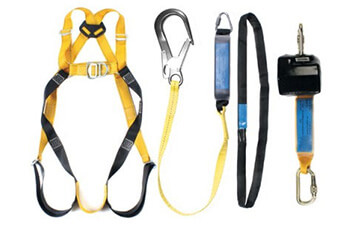 </p> </p>The Critical Importance of Height Safety Equipment in Modern Work Environments Height safety equipment plays a vital role in protecting workers who perform tasks at elevated positions, whether in construction, maintenance, industrial operations, or emergency services. Falls from heights remain one of the leading causes of workplace injuries and fatalities, making the use of proper safety equipment an absolute necessity. Height safety systems are designed to prevent accidents, reduce risks, and provide secure support to workers operating at dangerous elevations. By combining innovative technology with rigorous safety standards, modern height safety equipment ensures that employees can work confidently and efficiently while minimizing the likelihood of injury. Safety protocols, when integrated with high-quality equipment, are crucial for maintaining ENERGY ABSORBERS compliance with occupational health and safety regulations and for fostering a culture of safety in the workplace. Harnesses and Full-Body Safety Gear for Maximum Protection One of the most essential components of height safety equipment is the safety harness, which is designed to secure the worker to an anchor point and prevent falls. Full-body harnesses distribute forces evenly across the body, reducing the risk of serious injury in the event of a fall. Advanced harnesses often include adjustable straps, padding for comfort, and quick-release buckles for easy use. These safety systems are critical for workers in construction, window cleaning, telecommunications, and other industries where heights are involved. When used in conjunction with lanyards, rope grabs, and anchor points, harnesses create a reliable fall arrest system that ensures workers can perform their duties safely. Proper training in the use of harnesses is essential, as correct attachment and adjustment directly impact the effectiveness of the equipment. Lanyards, Lifelines, and Fall Arrest Systems Lanyards and lifelines are integral elements of comprehensive height safety equipment. Lanyards act as the connecting point between the harness and anchor system, providing a controlled connection that can absorb shock in the event of a fall. Lifelines, either vertical or horizontal, allow workers to move freely while remaining securely attached to a safety system. Fall arrest systems combine these components to create a fail-safe network that prevents workers from falling to the ground. Energy-absorbing lanyards reduce the force experienced by the body during a fall, while shock absorbers further protect against impact injuries. Using high-quality materials, including durable webbing and corrosion-resistant metal components, ensures the longevity and reliability of these systems. Regular inspection and maintenance of lanyards, lifelines, and connectors are critical to maintaining optimal safety standards. Anchorage Points, Guardrails, and Safety Nets Anchorage points provide secure attachment locations for harnesses and fall protection systems, and they are available in a wide range of designs to accommodate different work environments. Properly installed and rated anchor points ensure that the safety system can support the weight and forces generated during a fall. Guardrails and safety barriers offer an additional layer of protection by preventing accidental falls from edges, platforms, and scaffolding. Safety nets provide a catch system for workers and equipment in scenarios where fall arrest alone may not be sufficient. Together, these protective measures form a comprehensive safety network that mitigates risks and enhances worker confidence. Organizations implementing these solutions demonstrate a commitment to proactive safety management, significantly reducing the likelihood of workplace accidents. Personal Protective Equipment for Height-Related Tasks In addition to fall protection systems, personal protective equipment (PPE) enhances safety for workers operating at heights. Helmets, gloves, protective footwear, and eye protection are essential components that safeguard employees from head injuries, abrasions, and falling objects. High-visibility clothing ensures that workers remain visible in low-light or complex work environments, reducing the risk of accidents. Integrating PPE with height safety equipment creates a holistic approach to worker protection, addressing both the dangers of falls and secondary hazards associated with elevated tasks. Proper selection, fitting, and regular inspection of PPE are fundamental to ensuring its effectiveness and compliance with safety standards. Training and Compliance for Effective Height Safety Programs Even the most advanced height safety equipment is only effective when workers are properly trained in its use. Comprehensive training programs cover equipment selection, proper fitting, safe attachment techniques, inspection protocols, and emergency rescue procedures. Employers must ensure that employees understand the risks associated with working at heights and are competent in using protective systems. Compliance with occupational safety regulations and standards, including OSHA and ANSI guidelines, is mandatory for maintaining workplace safety and avoiding legal repercussions. Continuous evaluation, refresher training, and updates to safety protocols keep organizations aligned with best practices and emerging technologies in height safety. Conclusion on the Vital Role of Height Safety Equipment in Protecting Workers In conclusion, height safety equipment is an indispensable aspect of workplace safety for industries involving elevated work. By combining full-body harnesses, lanyards, lifelines, anchor points, guardrails, safety nets, and personal protective equipment, organizations can create a secure environment that protects workers from falls and associated injuries. The integration of advanced technology, rigorous training, and strict compliance with safety standards ensures that employees can perform their tasks confidently and efficiently. Investing in comprehensive height safety solutions not only safeguards human life but also enhances productivity, reduces workplace disruptions, and demonstrates a commitment to responsible operational practices. Organizations prioritizing height safety create a culture of care that benefits employees, employers, and the broader community. |
«
Return to Forum
|
1 view|%1 views
| Free forum by Nabble | Edit this page |