<p>
</p>
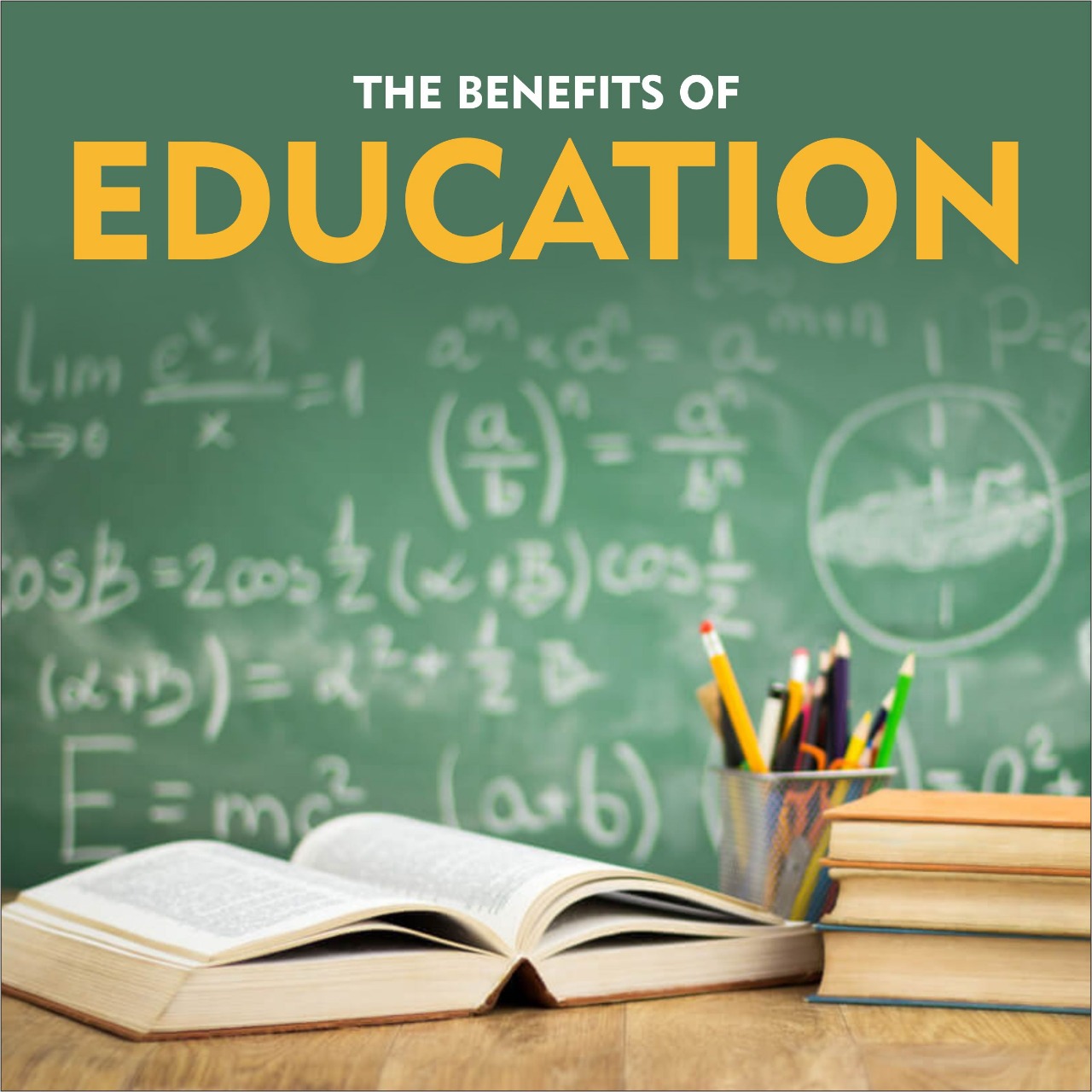
Education is often described as the foundation of a thriving society. It is more than just learning facts from books or passing exams—it is a transformative process that shapes minds, builds character, and empowers individuals to reach their fullest potential. From early childhood through higher education, learning equips people with the knowledge, skills, and critical thinking necessary to navigate the complexities of the modern world.
One of the greatest benefits of education is its ability to promote equality. Access to quality education provides opportunities for people from all backgrounds to improve their lives, pursue meaningful careers, and contribute positively to society. Education also fosters social cohesion by teaching values such as empathy, respect, and cooperation, which are essential for maintaining peaceful communities.
In today’s fast-paced world, education is evolving rapidly. Technology has become a powerful tool in classrooms, enabling interactive learning, global collaboration, and access to vast amounts of information. Online education, for instance, has opened doors for millions of learners who might otherwise face barriers due to location, financial constraints, or personal circumstances.
However, challenges remain. Many regions still struggle with inadequate resources, overcrowded classrooms, and a lack of trained educators. Addressing these challenges requires investment, innovation, and a commitment to inclusivity. Education systems must adapt to meet the diverse needs of students while also preparing them for a future where adaptability and lifelong
educationngr learning are critical.
Ultimately, education is not just a personal asset—it is a societal investment. By fostering curiosity, resilience, and creativity, it empowers individuals to pursue their dreams while building stronger, more informed communities. In a rapidly changing world, the value of education cannot be overstated; it remains the key to unlocking human potential and shaping a brighter future for all.


 Locked